


How to Create a Sustainable Kitchen Design in Australia
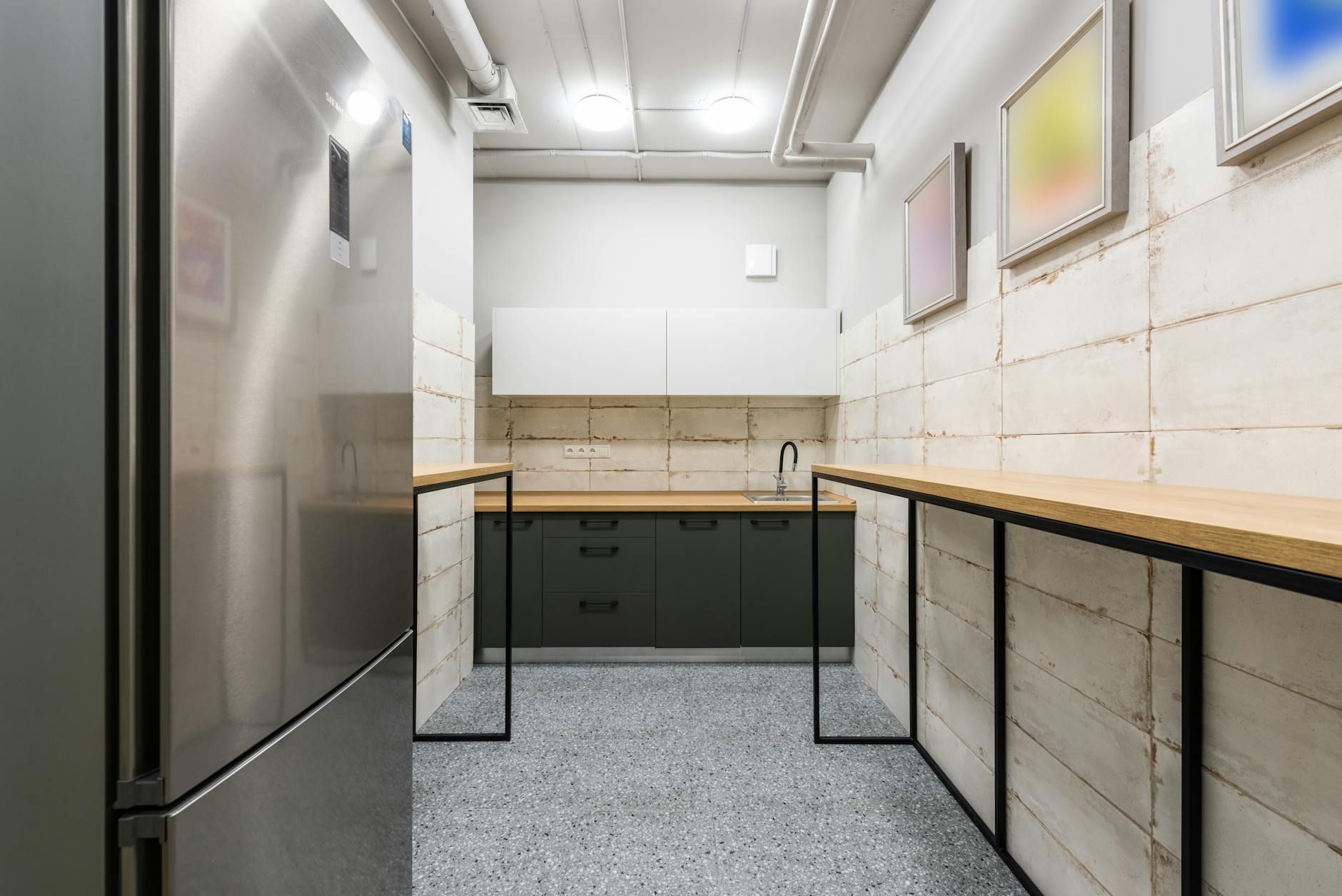
Sustainable Materials
When considering sustainable materials for your home, it's essential to start with eco-friendly choices that align with both functionality and aesthetics. Incorporating these elements can make a significant difference in creating an environmentally conscious living space. Just like the eco-friendly features showcased at Federation Square, selecting materials that promote sustainability can establish a thoughtful and inspiring foundation for your design. Here are a few key points to consider:
Eco-Friendly Countertops
Opt for countertops made from recycled materials or responsibly sourced options like bamboo or reclaimed wood. These choices not only reduce the environmental footprint but also add a unique character to your kitchen or bathroom.
Recycled Tiles and Flooring
Using recycled tiles made from post-consumer glass or ceramic can provide a distinctive look while supporting sustainability. Similarly, consider flooring options like cork or sustainable hardwood, which provide durability and an elegant finish.
Sustainable Cabinetry Options
Choose cabinets crafted from materials certified by environmental standards, such as FSC-certified wood. Opting for water-based finishes can further reinforce your commitment to eco-friendly design.
Incorporating these sustainable materials can transform your living space into an eco-conscious retreat. When selecting home electronics, such as an energy-efficient tv, induction cooktops, or dishwashers, it's worth considering their environmental impact too. By making thoughtful choices, you can craft a sustainable home that mirrors the green spaces of the Royal Botanic Gardens.
Energy Efficiency
LED Lighting Solutions
As a design enthusiast, I think one cannot overlook the impact of LED lighting in sustainability-focused interior spaces. These solutions consume significantly less energy, reducing both electricity bills and environmental footprints. Switching to LED fixtures not only enhances the aesthetic appeal of your home but allows you to align with green living principles. As you stroll through the creative hubs at Melbourne Arts Precinct, notice how effective lighting design can change the mood and function of a space. LED lights can provide flexibility while conserving energy.
Energy-Saving Appliances
When it comes to energy efficiency, integrating coffee machines, microwaves, and your fridge with energy-saving technology can be revolutionary. As someone who is enthusiastic about sustainability, I’ve seen how appliances engineered for energy efficiency offer significant savings. Look for appliances with high energy star ratings as they consume less electricity, emitting fewer greenhouse gases. This approach is not only sensible but also essential for a home aiming for minimal environmental impact.
Solar Power Integration
Solar power is a transformative element in sustainable home design, providing renewable energy directly from the Australian sun. Embedding solar panels into your home contributes to energy independence and lowers your carbon footprint. With an eye on eco-friendly features similar to those at Federation Square, solar integration can turn your home into an ecological marvel. Even small-scale solar systems can significantly reduce reliance on conventional power sources, marrying technology with sustainability.
Efficient Water Solutions
When considering efficient water use, start with faucet designs featuring aerators that conserve water without sacrificing performance. Premium models are often designed to seamlessly meld sustainability with modern aesthetics, much like the innovative eco-friendly features at Federation Square.
Adding greywater systems can transform the way you manage water for non-potable uses like irrigation or toilet flushing. These systems can retain water from your sinks or showers, offering a practical step for reducing waste while benefiting your gardens. The installation of such systems not only fosters sustainability but can also lead to significant savings on your water bill over time.
Smart irrigation systems integrate technologies that adjust water supply based on soil moisture and weather conditions, ideal for maintaining your garden’s lushness with minimal water waste. These systems echo Melbourne's commitment to preserving green spaces, as witnessed in the flourishing beauty of the Royal Botanic Gardens.
Moreover, appliances like a mini fridge or dryers can be part of a broader strategy to conserve resources at home. Look for models that contribute to water conservation through efficient design and technology.
Incorporating these sustainable practices will enable you to optimise water use without compromising luxury and design, creating a space that is both environmentally friendly and attuned to the needs of your lifestyle.
Waste Management
Composting Solutions
Embracing composting solutions not only benefits the environment but also enriches soil health in your gardens. As a sustainability-focused design expert, I advise starting with a simple composting system that fits seamlessly into your lifestyle. Consider investing in a compost bin that suits your space, whether it's a small indoor unit or a larger outdoor setup. Use it to recycle organic waste, reducing landfill contributions and transforming leftovers into nutrient-rich soil.
Recycling Stations
Integrating recycling stations in your home design can streamline waste management and enhance sustainability. By assigning dedicated spaces for recyclable materials—plastics, glass, and paper—you create a structured environment that encourages proper sorting and disposal. Choose storage options that complement your aesthetic while promoting eco-friendly habits. Even your bar fridges can play a role in this, as dedicated areas for recyclable beverage containers can prompt sustainable everyday actions.
Waste Reduction Strategies
Implementing waste reduction strategies in your home can drastically minimise your environmental footprint. Start by evaluating your current waste production and identify areas of improvement. Opt for bulk buying to reduce packaging waste and explore the benefits of a smart tv with energy-efficient technologies, which often feature built-in reminders for electronic recycling programs. These small changes align seamlessly with sustainable principles, pushing towards a more eco-conscious lifestyle.
Common Mistakes in Sustainable Design
Overlooking Local Resources
A frequent oversight in sustainable design is the failure to utilize local resources. By focusing on locally sourced materials, such as salvaged timber from the Melbourne area, one can significantly reduce the carbon footprint. These choices not only support our local economy but also embody a unique touch of the charm found in the creative hubs at Melbourne Arts Precinct. For instance, using recycled tiles produced in Victoria ensures your design not only looks stunning but is also environmentally conscious.
Ignoring Long-Term Durability
Another pitfall is ignoring the long-term durability of materials and products. Opting for cheap, non-durable options can lead to frequent replacements, which is hardly sustainable. Instead, prioritising robust materials that age gracefully can offer enduring value. For example, consider renewable flooring options like bamboo or cork, known for their longevity and resilience. These materials are eco-friendly and align with the eco-friendly features at Federation Square, showcasing how sustainable materials can be incorporated into design.
Neglecting Lifestyle Needs
Finally, a sustainable design must always reflect the lifestyle needs of its residents. It's essential to create spaces that accommodate both function and aesthetics. Integrating smart home technologies, such as efficient lighting systems, allows for seamless control and minimal energy use. Consider including green spaces that draw inspiration from the Royal Botanic Gardens, ensuring that outdoor areas promote biodiversity and personal well-being. This approach not only respects the environment but also enriches our daily lives through thoughtful and considerate design.